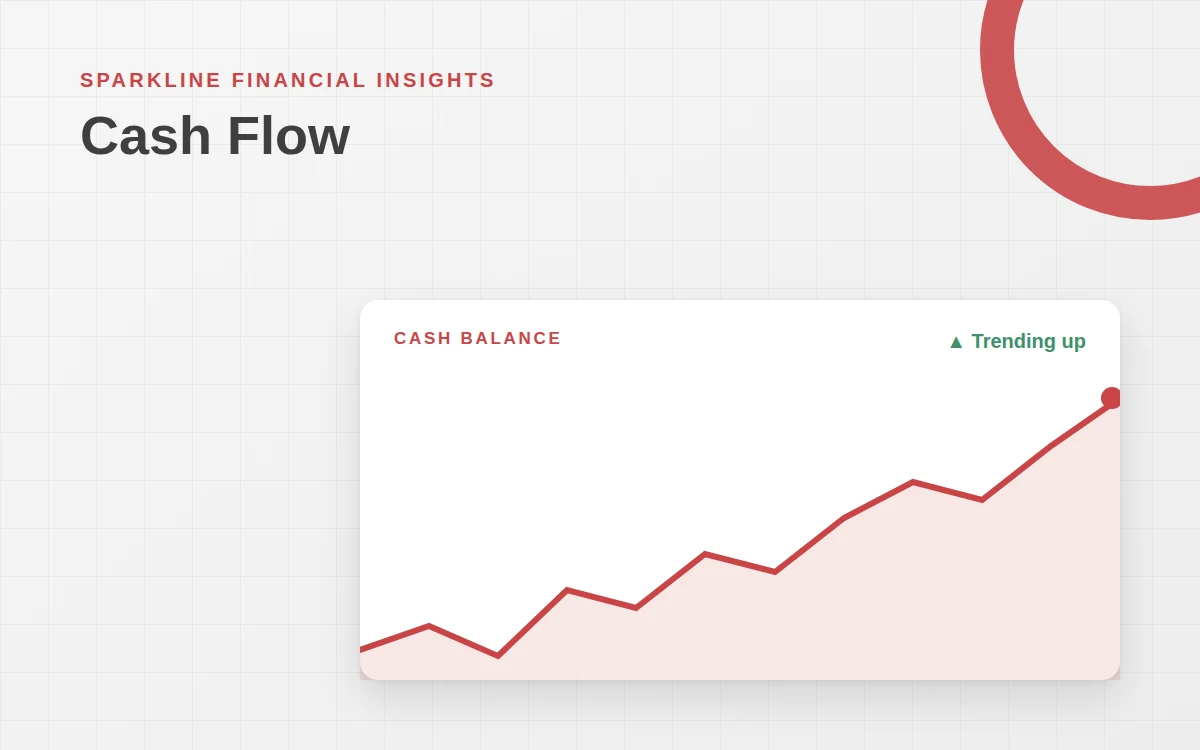
A reserve protects you from slow months, surprises, and emergencies, and it gives you the freedom to act on opportunities. If you’d like help setting a target that fits your business, Sparkline Solutions offers guidance as a fractional CFO in Mesa, AZ, for owners who want more breathing room.
Why Keep a Cash Reserve?
A reserve is the cushion between your business and a bad month. It helps you:
- Cover payroll and bills during slow months.
- Handle unexpected repairs or expenses without panic.
- Avoid expensive short term borrowing.
- Take advantage of opportunities quickly, like a bulk purchase or a new hire.
- Reduce financial stress, for you and your team.
Many owners don’t realize how much a reserve changes their decisions until they have one. When you aren’t worried about next month’s payroll, you can think more clearly about pricing, growth, and which customers are worth keeping.
How Do I Calculate My Target?
Start with your average monthly operating expenses. Include payroll, rent, insurance, software, loan payments, and other recurring bills. Your profit and loss statement is a good place to find these, and averaging several months smooths out unusual ones.
Then multiply that monthly figure by the number of months you want to cover. For example, if you decide three months is right for you, your target is simply three times your average monthly expenses.
Keep in mind that this is a starting point, not a fixed rule. As your business grows and expenses rise, your target should grow with it, so revisit the number at least once a year.
What Affects How Much I Need?
Every business is different, and several factors can push your target up or down.
Businesses that may need less:
- Those with steady recurring revenue, like monthly contracts or subscriptions.
- Those whose customers pay quickly or at the time of service.
Businesses that usually need more:
- Seasonal businesses with slow stretches each year.
- Project based businesses with uneven income.
- Businesses with slow paying customers.
- Businesses that rely heavily on one or two large customers.
If a few of the “more” items describe you, aiming toward the higher end of the range is usually wise.
How Do I Build a Reserve?
Very few businesses build a full reserve all at once. Building it gradually is normal and effective:
- Set aside a small, set percentage of every deposit.
- Keep the reserve in a separate account so it doesn’t get spent by accident.
- Add extra during strong months or after a big project pays.
- Only use it for true needs, and make a plan to refill it after you do.
Automating a regular transfer can make this easier. When the money moves on its own, you’re less likely to skip it during a busy stretch.
How Does a Reserve Fit Into Planning?
Your reserve target should be part of your cash flow forecast and your budget. The forecast shows when you can realistically add to the reserve and when you might need to lean on it. The budget makes saving a planned line item instead of an afterthought.
Working with a fractional CFO in Mesa can help you set a realistic target, build a savings plan around your actual cash flow, and decide when it’s safe to use the reserve. See What Is a Cash Flow Forecast?
Frequently Asked Questions
Should my reserve be in savings?
Many owners keep it in a separate savings account that’s easy to access but not mixed with daily operating cash. That separation makes it less tempting to spend.
Is a line of credit a substitute?
A line of credit can be a useful backup, but it’s debt, not savings. It’s also worth knowing that lenders may reduce available credit when business slows down.
What if I can’t afford a reserve yet?
Start small. Even a few weeks of expenses is better than none, and the habit matters more than the starting amount.
Should tax money be separate from my reserve?
Yes. Tax money is already committed, so keep it in its own account. Your CPA or tax professional can help you estimate what to set aside.
When should I use my reserve?
Use it for real needs, like covering payroll in a slow month or handling an urgent repair. Try to avoid using it for ongoing losses, since that usually points to a deeper problem to fix.
Related Questions
- Why Is Cash Flow More Important Than Profit?
- How Can a Fractional CFO Improve Cash Flow?
- What Is Working Capital?
Looking for a Fractional CFO in Mesa, AZ?
A cash reserve gives your business room to handle surprises and make decisions from a place of calm instead of pressure. It doesn’t have to happen overnight, but it does need a plan.
If one slow month would put your business in a tough spot, reach out to Rob Jamieson at Sparkline Solutions. As a fractional CFO in Mesa, Rob will help you set a reserve target and build a practical plan to reach it.