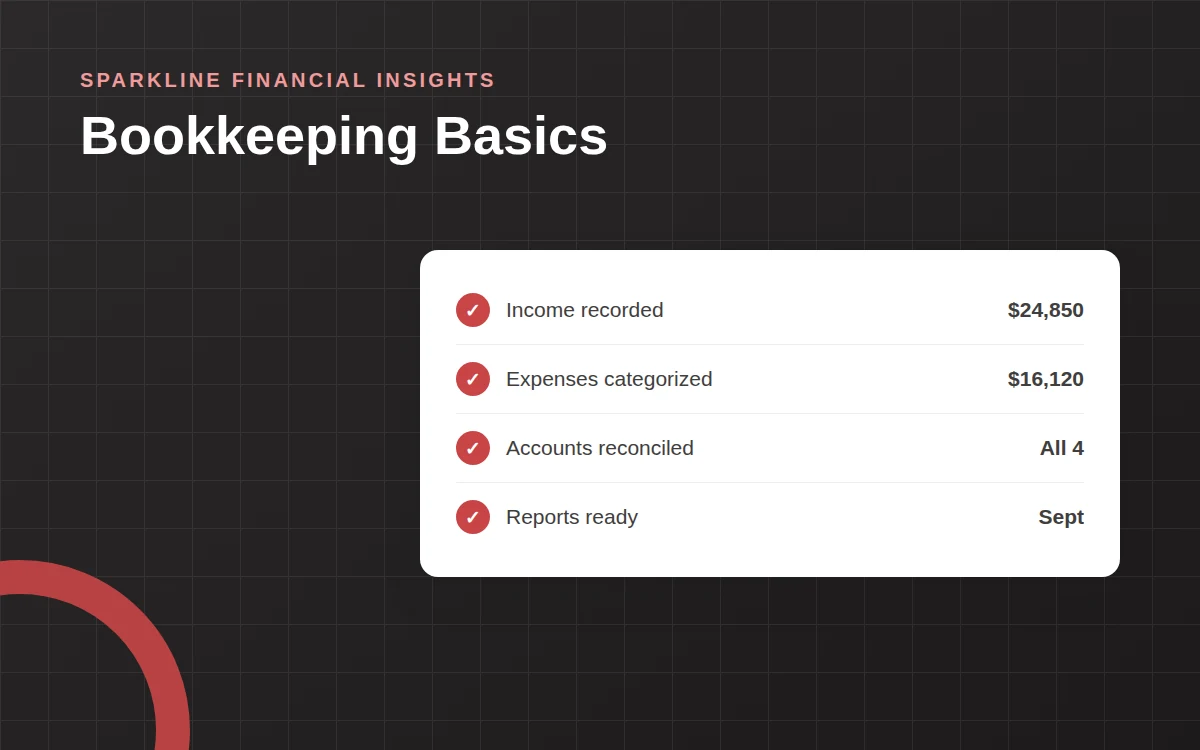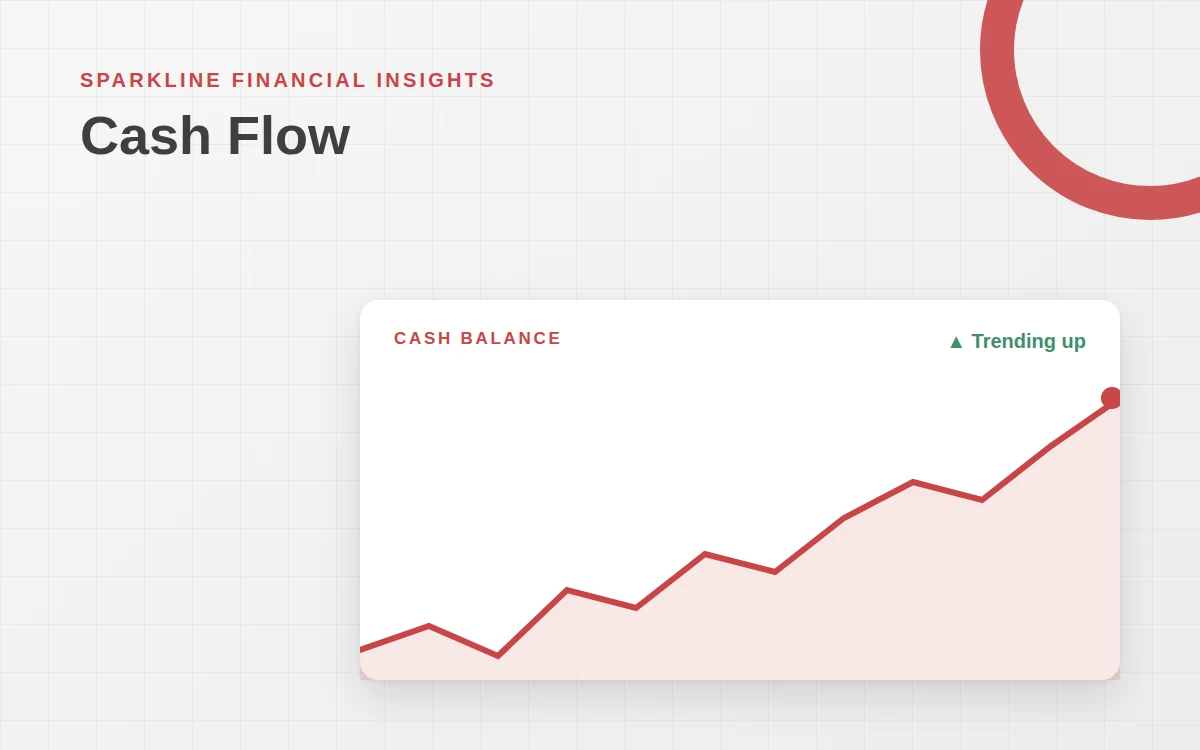
Think of it as putting a lid on the month. Instead of numbers that keep shifting every time someone enters a late receipt, you get a stable record you can trust and build on. If you want that done for you every month, Sparkline Solutions provides bookkeeping services in Mesa, AZ, built around a consistent, reliable close.
What Steps Are Part of a Month-End Close?
Every business is a little different, but a typical month-end close includes:
- Recording all income and expenses for the month.
- Reconciling bank, credit card, and loan accounts to their statements.
- Reviewing accounts receivable (what customers owe you) and accounts payable (what you owe vendors).
- Recording payroll, depreciation, and other adjustments.
- Checking for unusual, duplicated, or miscategorized transactions.
- Producing the profit and loss statement and balance sheet.
- Locking the period so it isn’t changed by accident.
Reconciliation is the heart of the process. It simply means confirming that what your books say matches what the bank says. If your software shows one balance and your bank statement shows another, something is missing, doubled, or recorded in the wrong place, and the close is where you find it.
Why Is Closing the Books Important?
Without a close, your numbers are always moving. A transaction entered months later can quietly change results you already used to make decisions. You might have decided you could afford a new hire based on a strong month, only to find later that the month wasn’t as strong as it looked.
Closing each month gives you a stable record. It:
- Makes month to month comparisons meaningful.
- Catches mistakes while they’re small and easy to fix.
- Gives you reports you can share with a lender or advisor.
- Keeps tax time from turning into a scramble.
How Long Should a Month-End Close Take?
For most small businesses, the goal is to close the prior month within the first few weeks of the new month. The exact timing depends on how many accounts you have, how quickly statements arrive, and how organized your receipts are.
What matters most is consistency. The faster and more predictable your close, the more useful your numbers are, because you’re acting on recent information instead of old news. A report about a month that ended long ago can tell you what happened, but it’s too late to help you respond.
What Happens If I Don’t Close My Books?
Errors build up, reports become unreliable, and small issues turn into large cleanups. A single uncategorized deposit is easy to fix this month. A pile of them spread across a year takes real time to untangle.
You may also miss warning signs, like shrinking margins or growing unpaid invoices, until they’ve already hurt your business. For a look at the routine work behind a good close, see What Does a Bookkeeper Do Each Month?
How Does a Month-End Close Help With Planning?
Closed months are the foundation for everything forward looking. A fractional CFO uses them to track trends, compare results to your budget, and forecast what comes next. Reliable history makes reliable planning. Learn more in What Does a Fractional CFO Do?
When your months close cleanly, questions like “Are we growing?” or “Can we afford this?” get real answers instead of guesses. That’s why steady bookkeeping services in Mesa are often the first step before bigger planning work.
Frequently Asked Questions
Is month-end close only for large companies?
No. Any business that wants accurate monthly numbers benefits from a close. Small businesses often benefit the most, because one missed error can have a bigger impact on a smaller budget.
Who handles the month-end close?
Usually your bookkeeper handles the day to day steps. A fractional CFO may review the results and use them for budgeting, forecasting, and planning.
What’s the difference between month-end and year-end close?
Year-end close includes everything in a month-end close plus annual adjustments and preparation for taxes. Clean monthly closes make year-end much easier, since most of the work is already done.
Can I change a closed month?
You can, but changes should be rare and deliberate. Keeping closed months steady means your historical reports stay consistent and your comparisons stay accurate.
What do I need to provide each month?
Typically access to your bank and card statements, receipts for larger purchases, and answers to a few questions about unfamiliar transactions. The more organized your records, the smoother the close.
Related Questions
- What Does a Bookkeeper Do Each Month?
- What Affects the Cost of Bookkeeping Services?
- What Are the Signs You Need a Fractional CFO?
Looking for Bookkeeping Services in Mesa, AZ?
A consistent monthly close turns your books from a moving target into a tool you can actually use. You get accurate reports on time, fewer surprises, and a clear foundation for planning.
If your books never feel finished, reach out to Rob Jamieson at Sparkline Solutions. His bookkeeping services in Mesa set up a consistent monthly close so your reports are accurate, on time, and ready to use.